Physical Address
304 North Cardinal St.
Dorchester Center, MA 02124
Physical Address
304 North Cardinal St.
Dorchester Center, MA 02124

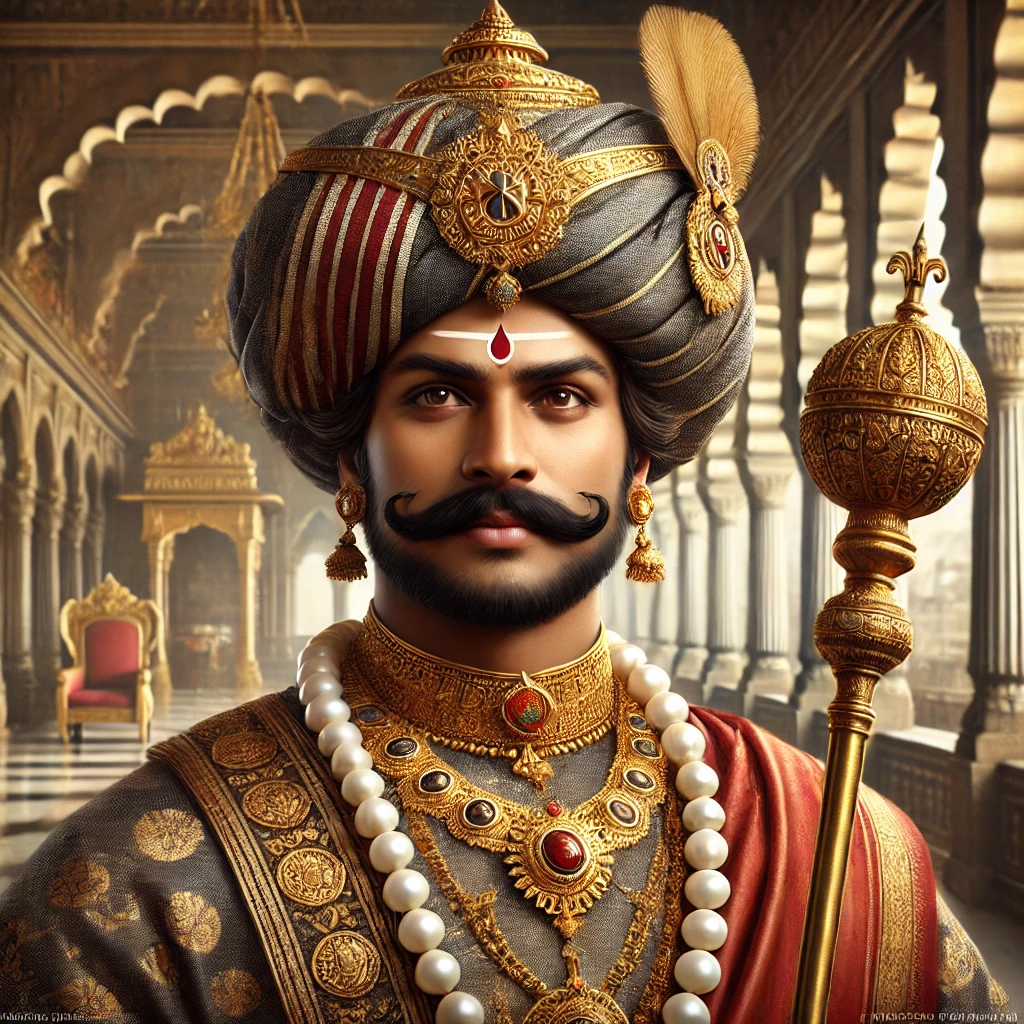
Shivappa Nayaka, also known as Keladi Shivappa Nayaka, was one of the most prominent rulers of the Keladi Nayaka dynasty, which succeeded the Vijayanagara Empire in the coastal and Malnad districts of Karnataka, India. Born in 1618, Shivappa ascended the throne in 1645 and ruled with exceptional administrative skills and military prowess until he died in 1663-64. His reign marked a transformative period for the Keladi Nayaka Kingdom as he expanded its borders and enhanced its economic and military standing.
Shivappa Nayaka’s most significant historical contributions are his military victories, fortifications, and administrative reforms. He is mainly remembered for his successful efforts in eliminating the Portuguese threat and securing important coastal ports for the kingdom. Most notably, he is credited with constructing several forts, including the famous Bekal Fort and Chandragiri Fort, which testify to his strategic foresight and military ingenuity.
| Aspect | Details |
|---|---|
| Full Name | Shivappa Nayaka (also known as Keladi Shivappa Nayaka) |
| Born | 1618 |
| Died | 1663–64 |
| Reign | 1645 – 1663 |
| Kingdom | Keladi Nayaka Kingdom (part of present-day Karnataka and Kerala) |
| Dynasty | Keladi Nayaka Dynasty |
| Notable Forts Built | Bekal Fort, Chandragiri Fort, Arikkady Fort, Mangalore Fort |
| Father | Somesvara Nayaka |
| Military Achievements | Conquered key coastal cities such as Mangalore, Honnavar, Kundapura; secured the coastal kingdom from Portuguese invasion |
| Taxation System Introduced | Sist (a tax system to manage resources efficiently) |
| Significant Legacy | Expanded his kingdom’s territories, built coastal forts, and provided a stable rule in a turbulent time |
| Successor | Soma Shekhar Nayaka (who was later murdered) |
| Major Contributions | Fortifications, military victories, trade advancements, defense against Portuguese control of coastal areas |
| Death | After his death, instability followed, eventually leading to the kingdom’s decline |
| Famous Quote | “A kingdom without forts is like a river without water.” (attributed to Shivappa Nayaka) |
Shivappa Nayaka was born in 1618 to a prominent family of the Keladi Nayaka dynasty. His rise to the throne came after the weakening of the Vijayanagara Empire, which had ruled much of South India before its decline in the 16th century. The Keladi Nayakas, originally part of the Vijayanagara Empire, declared their independence after its fall and ruled parts of Karnataka, including the western ghats and coastal regions.
Shivappa’s reign began in 1645, when he ascended the throne and quickly proved himself an able administrator and military leader. His strategic acumen enabled him to conquer the Kannada coast and take control of key coastal cities like Mangalore, Kundapura, and Honnavar.
Among Shivappa Nayaka’s lasting legacies is the Bekal Fort in the Kasaragod district of Kerala. This fort, which still stands today, is a remarkable example of his military vision. Positioned on the coastline, Bekal Fort served as a stronghold to defend the region against invaders, particularly the Portuguese, who had begun to control the coastal areas.
Shivappa Nayaka’s military endeavors didn’t stop with Bekal Fort. He also constructed other forts, including Chandragiri Fort, Adka Fort, Arikkady, and Mangalore Fort, each playing a crucial role in securing his kingdom’s borders. These fortifications protected the kingdom from foreign threats and served as symbols of his power and influence over the region.
Shivappa Nayaka was also known for introducing a tax system called Sist. This system, an innovative approach, aimed to provide a fair and structured taxation process. He ensured that his subjects were governed by a fair administrative system that supported the kingdom’s growth and maintained order in his territories.
A high level of stability marked his rule, and he worked tirelessly to improve the welfare of his people. As a soldier and administrator, Shivappa Nayaka had a keen sense of strategy, both on and off the battlefield.
Shivappa Nayaka’s reign ended in 1663-64. His death led to a period of instability, as his son Soma Shekhar was murdered by his own Brahmins. Following this, Shivappa Nayaka’s grandson, Basava, was installed on the throne under the regency of his mother. The murder of Soma Shekhar left the kingdom without a strong and experienced ruler, which contributed to the eventual decline of the Keladi Nayaka dynasty.
Despite the turmoil after Shivappa Nayaka’s death, the legacy of his reign, especially his military conquests and fortifications, lived on. The Nayak dynasty was established by Basava, a village headman who had earned the title Nayak from the Vijayanagara king and continued to influence the region for many years before being absorbed into the Kingdom of Mysore.

Shivappa Nayaka’s legacy blends military strategy, administrative reforms, and architectural brilliance. His contributions, particularly the forts he built, remain iconic today and are explored by tourists and history enthusiasts alike.
The Bekal Fort in Kasaragod is a symbol of Shivappa’s military genius and a historical treasure that attracts visitors from all over the world. His reign marked the last significant effort by the Keladi Nayakas to maintain their independence before the rise of the Mysore Kingdom.
Shivappa Nayaka, also known as Keladi Shivappa Nayaka, was the ruler of the Keladi Nayaka Kingdom in the 17th century. He is famous for his military conquests, the construction of important forts like Bekal Fort in Kerala, and his administrative reforms, including the introduction of the Sist tax system. His strategic brilliance and contributions to the kingdom’s stability and security make him a significant figure in Indian history.
Keladi Shivappa Nayaka was part of the Vokkaliga and Banajiga castes. The Keladi rulers were Veerashaivas by faith, and they were known for their contributions to both governance and culture during their reign.
The Nayakas belong to a group of communities in Karnataka. The Nayaka caste is classified as a Scheduled Tribe and includes sub-castes such as Naydaka, Chollivala Nayaka, Kapadiya Nayaka, Mota Nayaka, and Nana Nayaka. They are also known by other names such as Palegar, Beda, Valmiki, and Ramoshi Parivara.
Shivappa Nayaka belonged to the Keladi Nayaka dynasty, which was founded by Basava, a village headman who received the title Nayak from the Vijayanagara King. Shivappa was succeeded by his son Soma Shekhar, who was later murdered. His grandson, Basava, was then crowned under the regency of his mother.
There is little historical information available about Shivappa Nayaka’s wife, as records from the time are sparse. However, some sources suggest that his wife played a significant role in the kingdom after his death, especially in the regency of his grandson Basava.
Historical photos or depictions of Shivappa Nayaka are scarce, as photography did not exist during his reign. However, many paintings and sculptures are on display in museums in Karnataka and Kerala that portray him as a warrior king. Additionally, Bekal Fort and other forts built by him stand as physical reminders of his legacy.
Shivappa Nayaka’s son, Soma Shekhar, was tragically murdered by his own Brahmins after his father’s death. This act of violence led to instability in the kingdom, and Basava, Shivappa Nayaka’s grandson, succeeded him under the regency of his mother.
Some of the major achievements of Shivappa Nayaka include:
Bekal Fort is located in Kasaragod district in Kerala. The nearest railway station to Bekal Fort is Bekal Fort Railway Station (BFR), which is about 1.7 km from the fort. The closest airport is Mangalore International Airport, approximately 50 km away from Bekal.
Shivappa Nayaka’s legacy as a king and military strategist continues to resonate today, particularly through the forts he built, including the iconic Bekal Fort and Chandragiri Fort. His contributions to the administration and defense of his kingdom have made him one of the most celebrated figures in Karnataka’s history. Despite the challenges faced by his successors, Shivappa’s reign remains an integral part of the region’s rich historical tapestry.