Physical Address
304 North Cardinal St.
Dorchester Center, MA 02124
Physical Address
304 North Cardinal St.
Dorchester Center, MA 02124

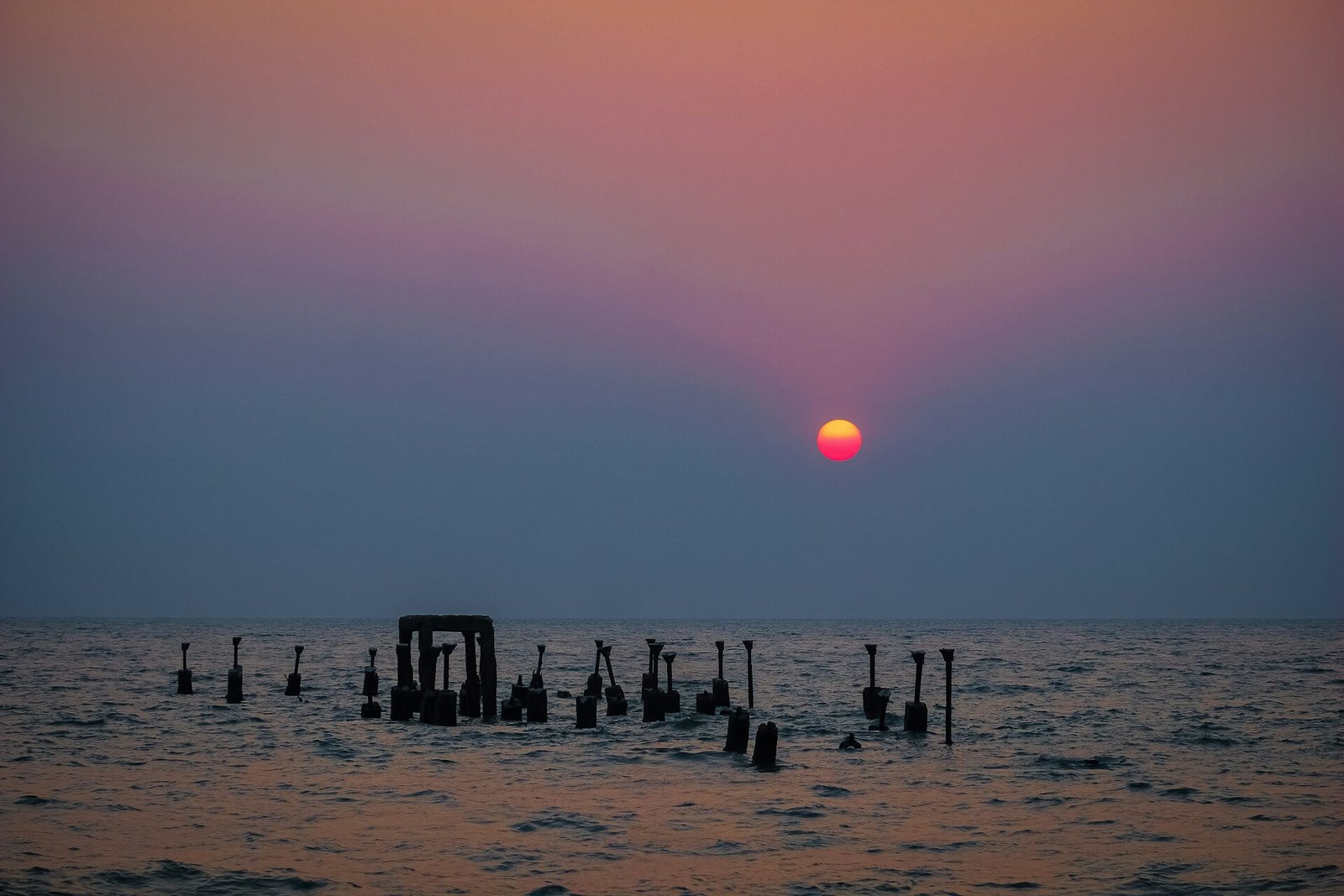
Nestled along the Malabar Coast in Kerala, Kozhikode, also known as Calicut, is rich in history, cultural diversity, and economic importance. Known as the “City of Spices,” Kozhikode’s strategic position made it a major center for international trade, drawing merchants from across the globe. Today, it blends its storied past with a vibrant modern landscape, offering a unique experience for residents and visitors alike. This article explores Kozhikode’s journey from an ancient trading hub to its current status as a thriving urban center.
| Attribute | Details |
|---|---|
| Country | India |
| State | Kerala |
| District | Kozhikode |
| Government Type | Municipal Corporation |
| Mayor | Beena Philip (CPI (M)) |
| Deputy Mayor | Musafar Ahmed |
| District Collector | Snehil Kumar Singh, IAS |
| Member of Parliament | M. K. Raghavan (Indian National Congress) |
| City Police Commissioner | Narayanan T IPS (Source: Official website) |
| Area | |
| • Metropolis | 118.58 km² (45.78 sq mi) |
| • Metro | 518 km² (200 sq mi) |
| Elevation | 34.47 m (113.09 ft) |
| Population (2011) | |
| • Metropolis | 609,224 |
| • Density | 5,100/km² (13,000/sq mi) |
| • Metro Population | 3,091,984 |
| Official Languages | Malayalam, English |
| Transport Infrastructure | |
| • Railway Station | Kozhikode Railway Station |
| • Airport | Calicut International Airport (CCJ) |
| • Bus Terminals | KSRTC Bus Stand, Private Bus Stand |
Kozhikode’s history dates back to ancient times when it emerged as a prominent trading port. Situated on the spice-rich Malabar Coast, it attracted traders from distant lands as early as the 7th century. The abundance of spices like black pepper, cardamom, and cinnamon brought Arab merchants to Kozhikode, where they established trade routes that connected India to the Middle East and beyond.
This era marked the beginning of Kozhikode’s reputation as a significant player in the global spice trade. It quickly became one of the most sought-after ports in Asia, as merchants from Arabia, Persia, and even China flocked to its bustling markets. The allure of its spices earned Kozhikode the moniker “City of Spices” — a name it retains to this day.
In the medieval period, Kozhikode flourished under the rule of the Samoothiris, or Zamorins, who were the local monarchs. The Zamorins established Kozhikode as an independent kingdom and controlled much of the Malabar Coast. Under their rule, Kozhikode became a central trading hub and a center for arts, culture, and learning.
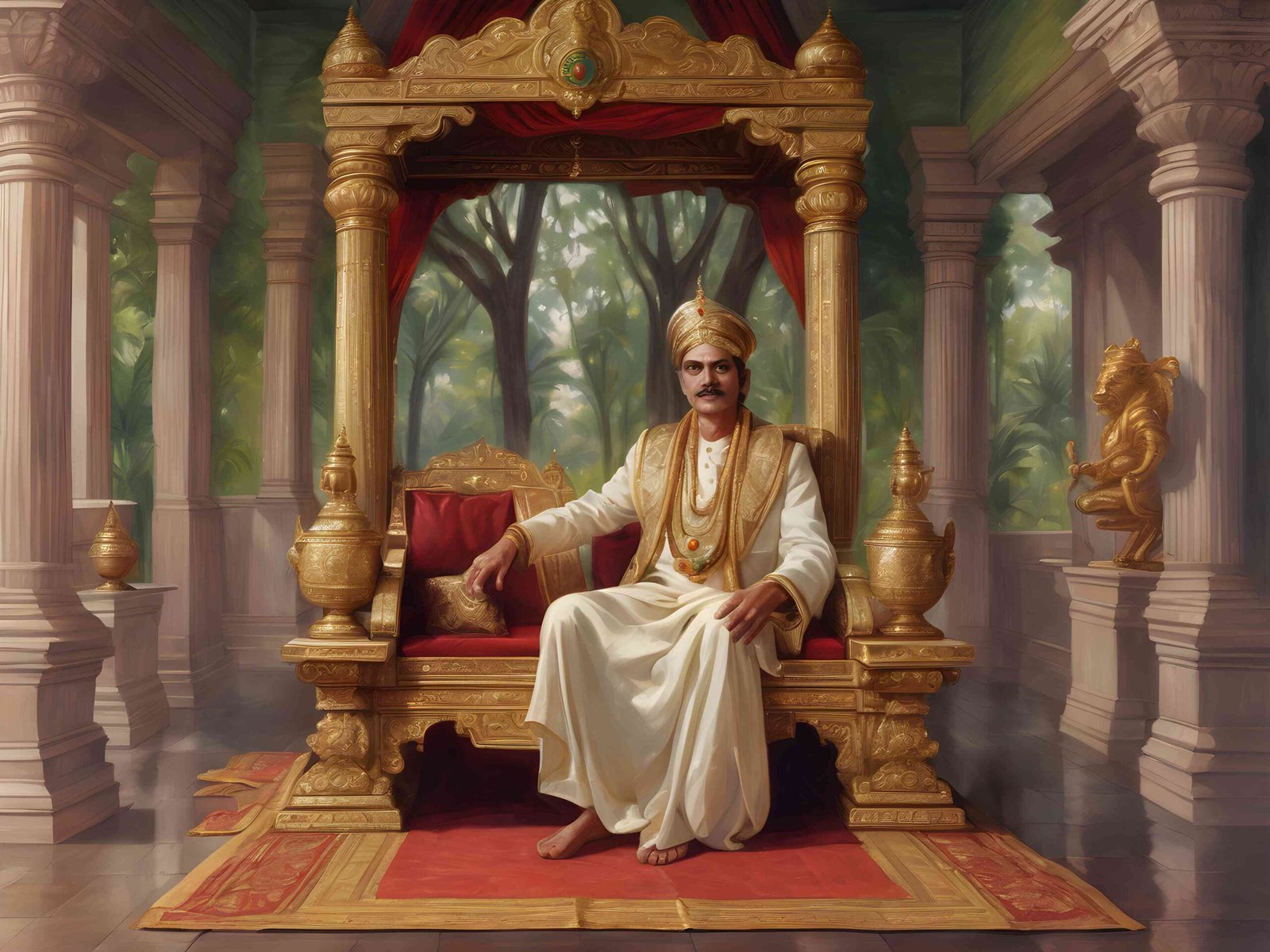
The Zamorins’ patronage attracted artists, scholars, and musicians to the city, fostering a vibrant cultural scene. Kozhikode became renowned for its unique traditions, including the famous temple festivals and martial arts form known as Kalaripayattu. The city also hosted numerous religious and cultural events that showcased its rich heritage.
The Zamorins maintained diplomatic and trade relations with various foreign powers, which allowed them to retain control over Kozhikode’s prosperous spice trade for centuries. This era was a golden period in Kozhikode’s history, cementing its position as a prominent trading and cultural center.
In 1498, the Portuguese explorer Vasco da Gama arrived at Kappad Beach, located 18 kilometers north of Kozhikode. His arrival marked a turning point in Kozhikode’s history, as it introduced European colonial powers to the Indian subcontinent. Da Gama’s voyage opened new sea routes for European trade with India, sparking intense competition among European powers to control the spice trade.
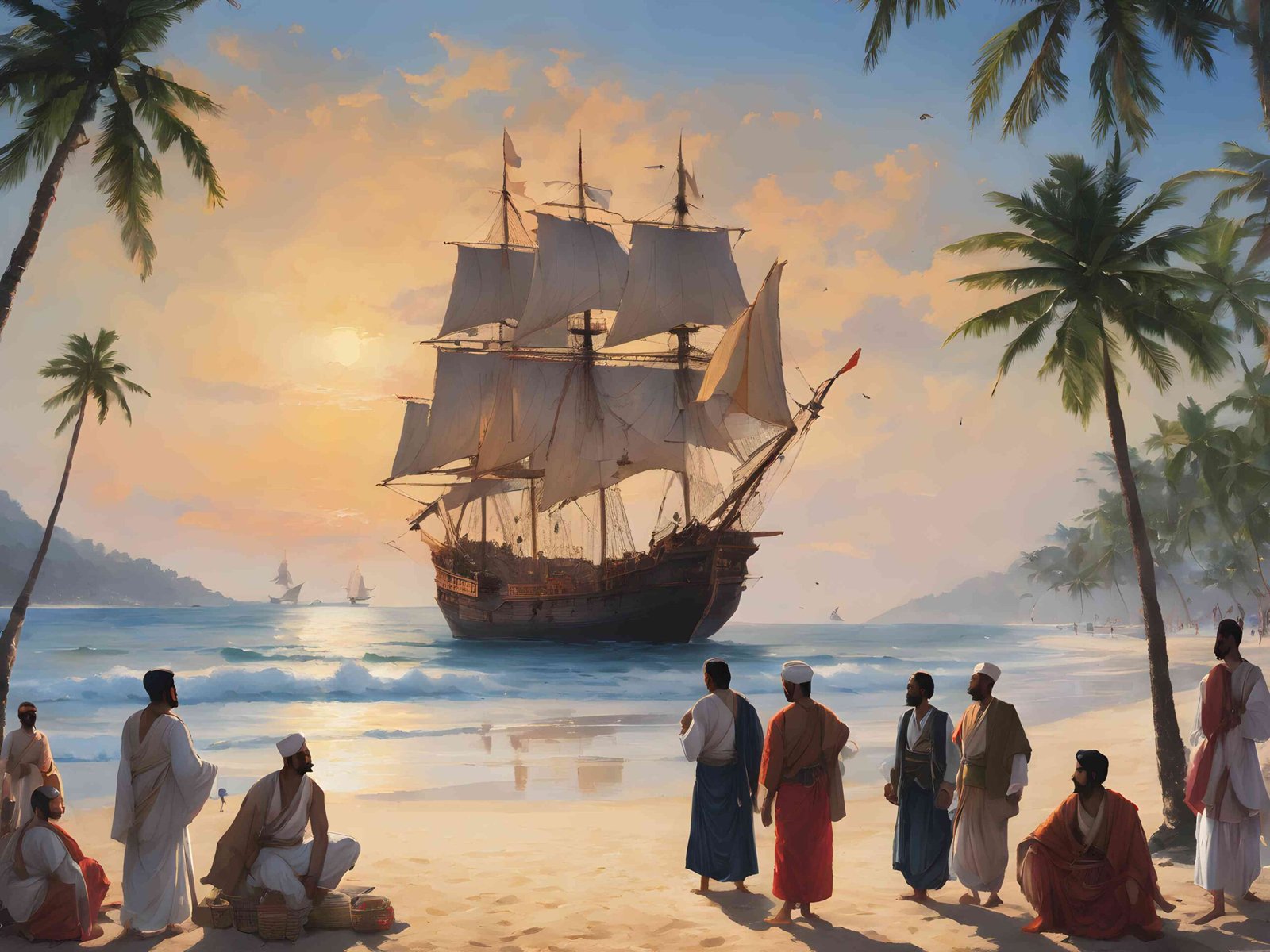
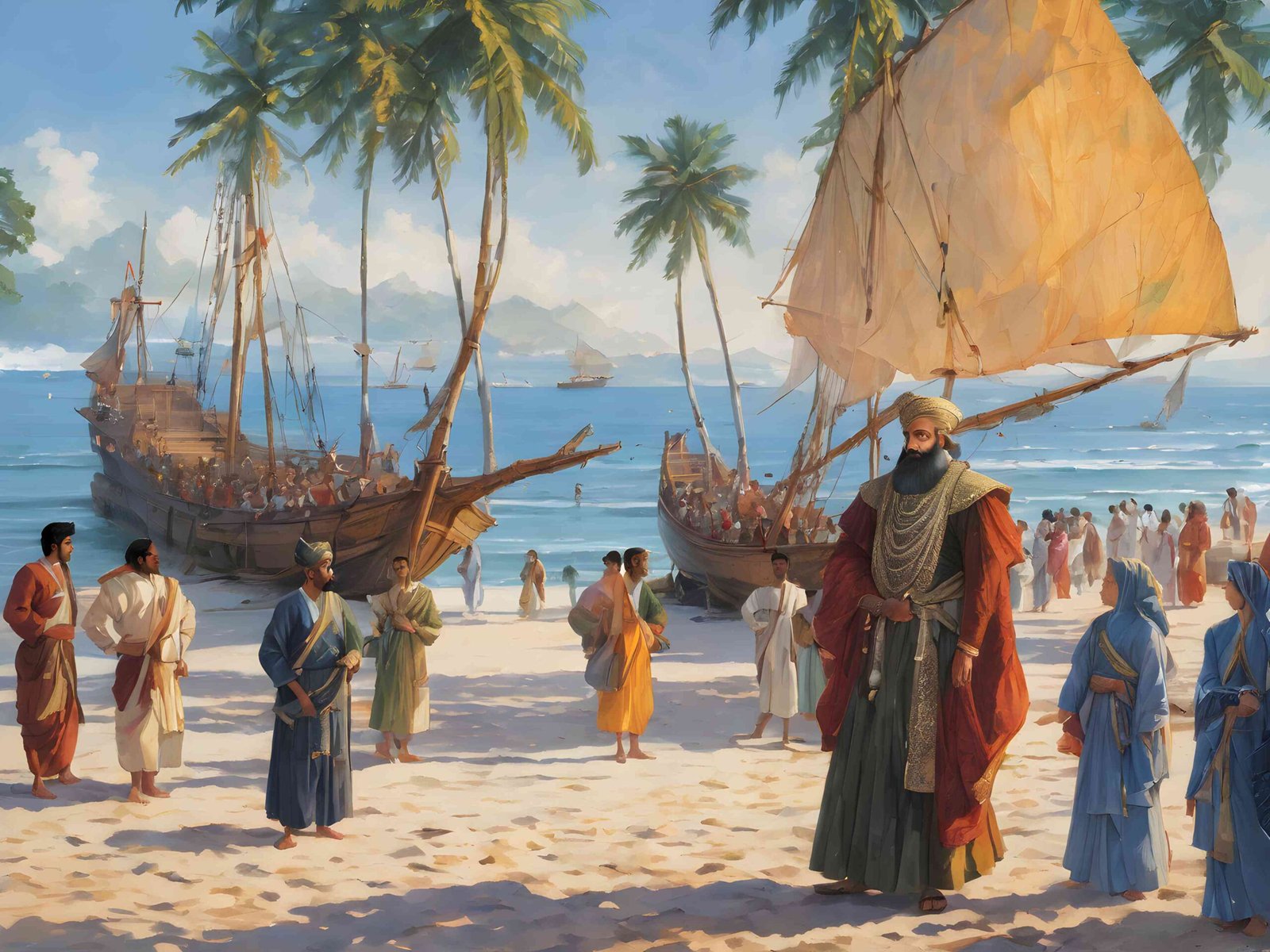
The Portuguese, followed by the English, French, and Dutch, established trading posts along the Malabar Coast, vying for dominance in the lucrative spice market. Although the Zamorins initially resisted Portuguese attempts to monopolize trade, the increasing presence of European powers eventually impacted Kozhikode’s role in the spice trade. Despite these challenges, the city became a vital commercial hub, though its political landscape became more complex.
Kozhikode’s identity as an international trading hub is reflected in its various names. In Malayalam, the city is known as “Kozhikode,” a name believed to have originated from “Koyil-kota,” meaning “fortified palace.” Arab traders called it “Qāliqūṭ,” while the Tamils called it “Kallikkottai.” The Chinese knew it as “Kalifo,” and the English adapted it to “Calicut,” which is still commonly used today.
Interestingly, the term “calico,” a type of cotton fabric, originated from Calicut. This fine hand-woven cotton cloth was exported from Kozhikode’s port to Europe, influencing fashion and textile markets worldwide. This linguistic legacy underscores Kozhikode’s historical significance in global trade and commerce.
Today, Kozhikode is the second most populous city in Kerala, with over 600,000 residents within its corporation limits and a metropolitan area encompassing over 2 million people. The city has evolved into a modern urban center, balancing rapid development with a commitment to preserving its cultural heritage. Governed by the Kozhikode Corporation, Kozhikode is divided into 75 wards, each representing different communities and ensuring efficient civic administration.
Kozhikode has gained recognition for its cultural and architectural heritage in recent years. In 2012, it was named the “City of Sculptures” (Shilpa Nagaram) for the many intricately carved sculptures adorning its public spaces. More recently, Kozhikode was designated a UNESCO City of Literature, acknowledging its rich literary tradition and vibrant arts scene.
Kozhikode is an attractive destination for travelers due to its diverse attractions. The city’s beaches are among its most famous landmarks, offering a unique experience. Kappad Beach, where Vasco da Gama first landed, is a historic site that draws tourists interested in India’s colonial past. Kozhikode Beach, known for its scenic sunsets, is a favorite spot for locals and visitors, offering an array of seafood delicacies.
Adventure seekers can explore the scenic Thusharagiri Waterfalls or trek to the picturesque Kakkayam Dam, which is located in the surrounding hills. For history and architecture enthusiasts, the city boasts several landmarks, including the Mishkal Mosque, St. Mary’s Church, and the Tali Shiva Temple, each reflecting Kozhikode’s diverse cultural and religious heritage.

Kozhikode also hosts annual festivals like the Malabar Mahotsavam, a cultural event celebrating traditional art forms and music. The city’s long-standing appreciation for music, particularly Ghazal and Hindustani, has made it a center for classical performances in Kerala.
Now, let’s delve into the heart of Kozhikode and explore the captivating places that await you:
Beyond its cultural significance, Kozhikode plays a crucial role as an economic and educational center. Its economy is diverse, with a mix of manufacturing, trade, and service sectors contributing to its growth. The establishment of Cyberpark, an IT initiative by the Kerala government, has positioned Kozhikode as a growing technology hub, attracting investments in IT and related industries.
The city is home to prestigious educational institutions like the Indian Institute of Management Kozhikode (IIMK), which ranks among the top business schools in India. The National Institute of Technology Calicut (NITC), a leading engineering college, further strengthens Kozhikode’s reputation as an educational powerhouse. Other prominent institutions include Calicut Medical College and the University of Calicut, which draw students from across the country and abroad.


Kozhikode is a city and the administrative heart of Kozhikode District. The district encompasses coastal areas, rolling hills, and dense forests, making it one of Kerala’s most geographically diverse regions. With a population exceeding 3 million, Kozhikode District is a testament to Kerala’s achievements in education and human development, boasting a literacy rate of over 95%.
The Kozhikode District website provides valuable resources for residents and visitors, with information on local administration, public utilities, and tourism options. This digital resource connects people to essential services and highlights the district’s tourism potential, guiding visitors through Kozhikode’s cultural and natural attractions.
Kozhikode embodies a fascinating blend of history, culture, and progress, from its roots as an ancient spice hub to its current status as a thriving city. Its legacy as the “City of Spices” continues to shape its identity, with vibrant markets, cultural landmarks, and a dynamic community that reflects its storied past. The city’s artistic heritage, combined with its growing importance in technology and education, makes Kozhikode a city that honors its traditions while embracing change.
Kozhikode invites visitors to explore its many facets, from the historic charm of its ancient port to the natural beauty of its beaches and hills. Kozhikode offers a captivating journey through Kerala’s past and a glimpse into its promising future for those seeking a city that harmonizes the old and the new.
Kozhikode, also known as Calicut, is a city steeped in rich history and culture, offering a unique blend of tradition and modernity. Visitors and residents alike often have questions about this vibrant city. Here are some of the most frequently asked questions about Kozhikode, along with their answers.