Physical Address
304 North Cardinal St.
Dorchester Center, MA 02124
Physical Address
304 North Cardinal St.
Dorchester Center, MA 02124

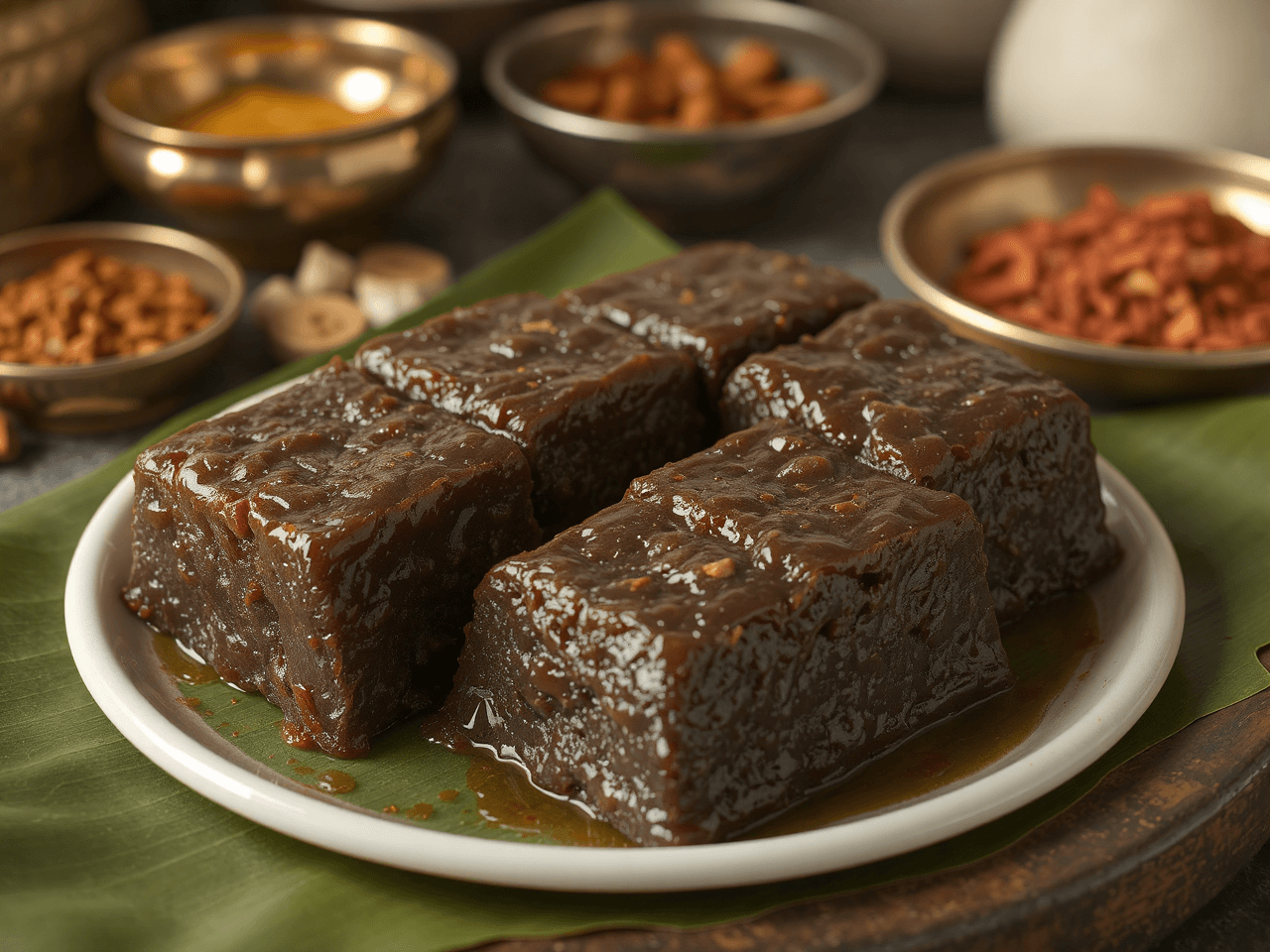
Kozhikode Halwa, often called Calicut Halwa, is not just a sweet delicacy but an emblem of Kerala’s rich culinary heritage. Renowned for its unique texture and rich flavor, this sweet has captured the hearts of many and has become a significant part of the culture in Kozhikode (formerly Calicut). In this article, we will delve deep into the history of Kozhikode Halwa, explore its ingredients and preparation methods, and understand why it has garnered such fame.
The origins of Kozhikode Halwa date back to the 19th century, a period marked by the flourishing spice trade in the region. Kozhikode was a prominent trading port, attracting merchants worldwide, including Arabs, Chinese, and Europeans. As these traders introduced various ingredients and cooking techniques, the local cuisine evolved, and thus, Kozhikode Halwa was born.
Traditionally made from rice flour, sugar, and ghee, local families initially prepared the halwa for special occasions and festivals. Over the years, it transitioned from a home-cooked delicacy to a commercial product sold by local sweet shops, particularly those in the bustling areas of Kozhikode. The halwa gained immense popularity for its unique texture, which is chewy yet soft, and its rich flavor, often enhanced with ingredients like cashews, raisins, and cardamom.
Kozhikode Halwa is not merely a dessert but a symbol of the city’s identity and culture. The halwa is typically made during festivals, weddings, and family gatherings, reflecting its importance in social celebrations. Furthermore, its reputation has spread beyond Kerala, drawing tourists and sweet lovers from across India and around the globe.
To prepare authentic Kozhikode Halwa, you will need the following ingredients:

Kozhikode Halwa is famed for several reasons:
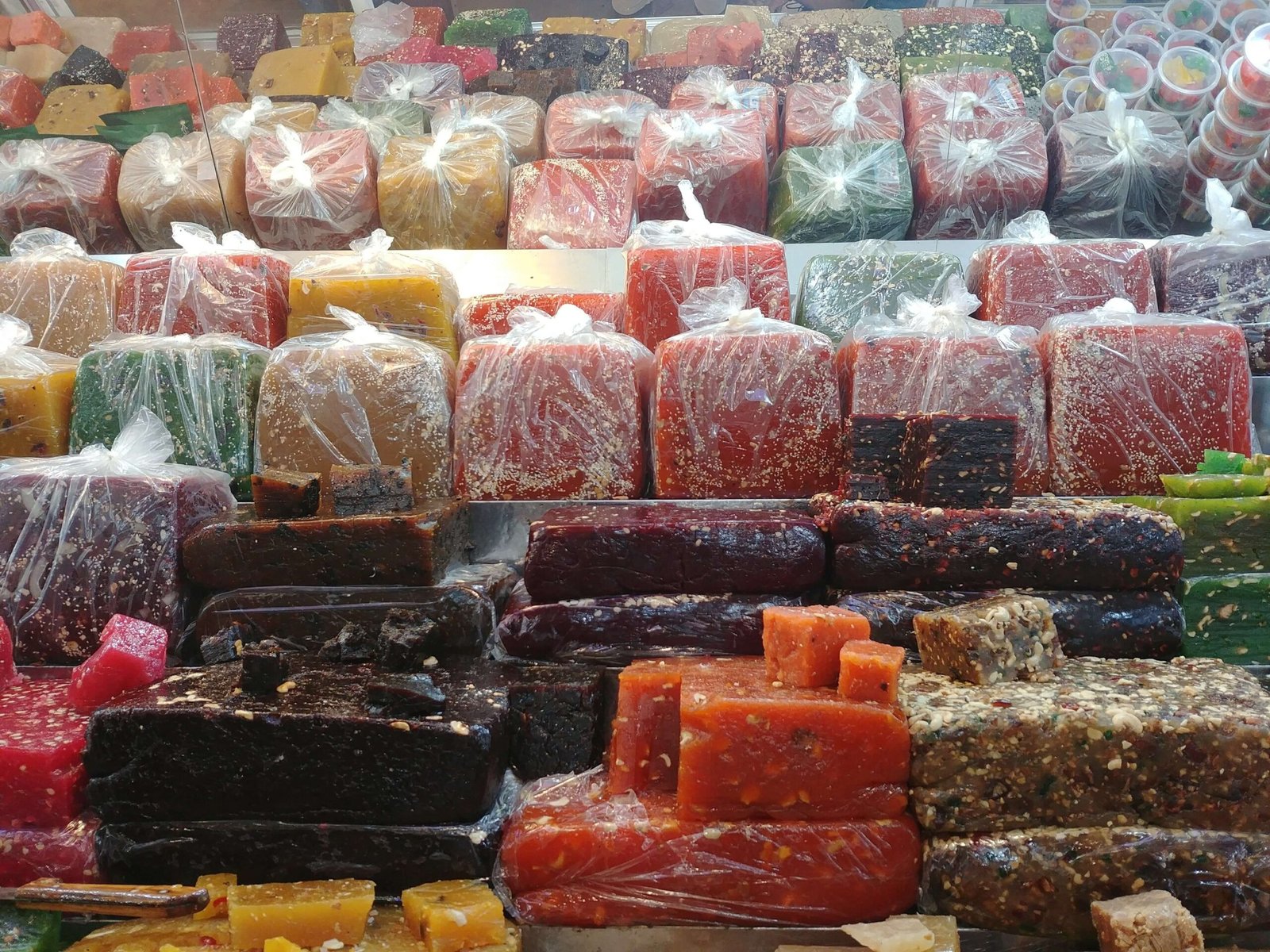
Kozhikode Halwa is known for its chewy texture and is typically made with rice flour and sugar. At the same time, Tirunelveli Halwa is characterized by its rich, sticky consistency and is made with wheat flour, sugar, and ghee. The ingredients and preparation methods produce distinct flavors and textures in each halwa.
Kozhikode Halwa is a sweet treat and should be consumed in moderation. While it provides energy, it is high in sugar and ghee, making it less suitable for health-conscious individuals or those managing sugar intake.
When stored in an airtight container at room temperature, Kozhikode Halwa can last 5 to 7 days. If refrigerated, it can last for up to two weeks.
The “best” halwa is subjective and depends on personal taste preferences. Kozhikode Halwa and Tirunelveli Halwa are highly regarded, along with other regional varieties like Delhi Halwa and Bombay Halwa.
Kozhikode in Kerala and Tirunelveli in Tamil Nadu are among India’s most famous cities for their unique halwa varieties.
While all halwa varieties are sweet treats, healthier options may include those made with whole grains and reduced sugar. It’s best to enjoy them in moderation as part of a balanced diet.
Calicut, or Kozhikode, is famous for its rich history in the spice trade, beautiful beaches, and culinary delights, particularly Kozhikode Halwa and Malabar biryani.
Kozhikode Halwa stands as a testament to Kerala’s rich culinary heritage and its cultural significance for the people of Kozhikode. This sweet treat is more than just a dessert; it embodies the city’s history, community, and celebration. Whether indulging in a piece during a festival or sharing it with friends and family, Kozhikode Halwa offers a unique taste of tradition. As its fame spreads beyond borders, it invites everyone to experience Kozhikode’s vibrant culture.